Archive by Author

What Did the 1973 Oil Embargo Teach Us?

For the histrionics of energy efficiency in North America, please read Amory B. Lovins’ article by clicking on picture below:


“During 1977–85, the U.S. economy grew 27 percent, oil use fell 17 percent, oil imports fell 50 percent, and imports from the Persian Gulf fell 87 percent; they’d have reached zero in 1986 had President Reagan not reversed the policy.

OPEC’s oil sword was shattered in a dozen years as customers saved oil faster than OPEC could conveniently sell less oil. It sales plummeted 48 percent, breaking its pricing power for a decade. Then in 1985–86, as massive new energy supplies belatedly arrived to meet needs efficiency had already filled, energy gluts crashed prices. Policymakers, instead of finishing the job, hit the snooze button for a decade.”


BGG Presenting at Construct Canada

BGG is presenting again at the upcoming Green Building Conference:


Achieving Greater Energy Savings Through Powerful Building Envelope Design

Code: W123

The house of the future is bright, healthy, and heating costs 1/10th of what it does today. The house of the future is being built now! Custom home builder, Ed Marion, will take you on a tour of his super-efficient home built in Oakville Ontario in 2011 and discuss the features that make this home future proof. In contrast home energy consultant, Greg Labbé, will take you on a picture and video based tour of homes that are not future proofed.


Location: South Building
Date: Dec 4, 2013
Start: 10:30 AM
End: 12:00 PM

Price before Nov 22nd: $30.00
Price after Nov 22nd: $35.00


The Semi Study is Underway

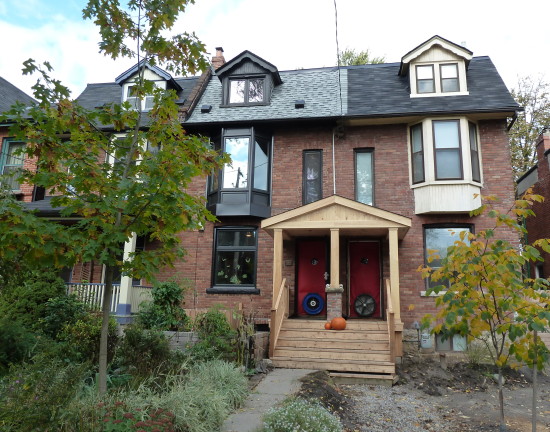
Our vintage brick home airleakage study is well underway as we tested the 6th and 7th pair of homes. With only 20 pairs of homes to test in total and another 3 pairs already in the pipeline, we’re halfway done.

If you want to have your double brick house tested for free, you can apply here!


P1050306

With a blower door in each of 3 doors, these vintage row houses were tested by the students of Humber College and Ryerson University. The results will be published next year.

Myth Busting “A House Needs to Breathe”

Does a house need to breathe or do the occupants need to breathe?

Social habits and deep-rooted myths conflate to the point where many homeowners penalise their comfort, pay significantly more in utility bills and penalise their indoor air quality by keeping a window open year-round. The greater the difference between inside and outside conditions, the more expensive to the homeowner with no health benefits.
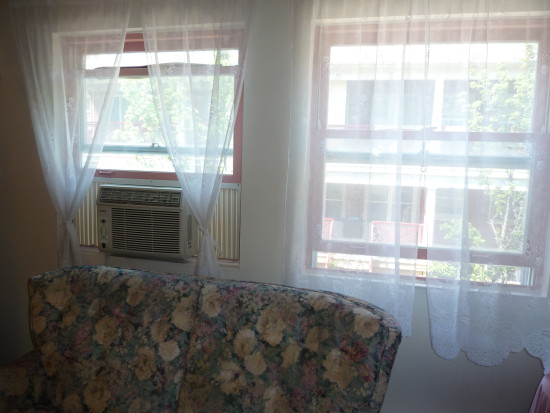
An AC does two things for our comfort; dry the air in the room and lower the temperature.

Sisyphean task: An AC does two things for our comfort in priority sequence; 1st – dry the air in the room and 2nd – lower the temperature. Note the AC in the left window takes humidity out of the air and the open window on the right brings in more hot, humid ‘fresh air.’

Myth 1: Keeping a window open all the time is good for health.

There are two points to consider; depending on outside air quality, the occupant may be bringing in more ‘bad air’ than ‘fresh air.’ The second point is that thousands of Canadians have this habit and ironically, its usually is a sign of discomfort often due to poor HVAC design (misplaced or absent controls, leaky or small distribution system) where home owners will be spurred on to open window “a crack” year-round.


Myth 2: Houses need to breathe.

People need to breathe fresh air, houses don’t. Full stop.

To ensure fresh air in a home, the best strategy is to build an air tight house, with a great distribution system, easy to control and have a fully ducted Heat Recovery Ventilator (HRV). An HRV if installed correctly does a couple of things, it brings in a measured dose of outside fresh air and strives to keep the inside air at the same temperature.

BGG Spot the Design Weakness – No.1


If we had a dime for each weak building assembly detail we saw, we’d be rich. In our 14 years of diagnosing comfort problems for clients; the exposed floor ranks as one of the most stark discomfort features of a home, new or old.

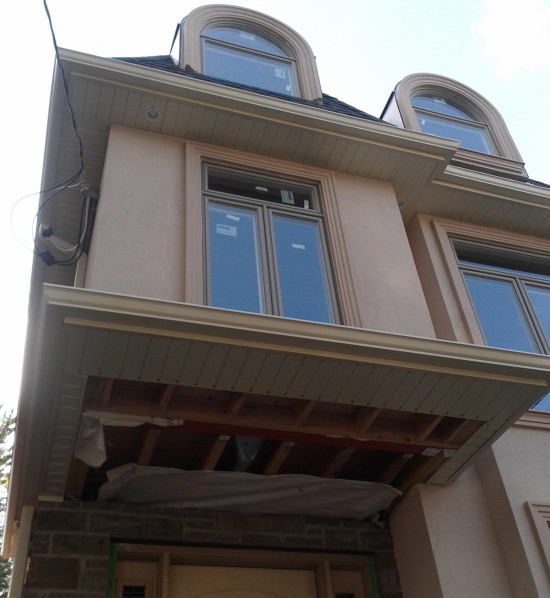
Walking home from the coffee shop Sunday and came across the feature below. Have a look at the photo and see how many design errors you can pick out:

Exposed floor with duct

1- The 2nd floor cavity is exposed above the front door.

2- The metal duct travels in a floor joist cavity past eh stone veneer covering a steel beam.

3- There are pot lights in the eaves.

Even 2LBS spray foam won’t ward off the discomfort in this small but significant exposed floor. How can it, the poor design will handicap it and soon enough all will be covered with lovely aluminum perforated soffit and who will know better.

So here’s the blow by blow, spray foam doesn’t stick well to oiled metal, there’s not enough room between the bottom of the duct and future soffit and though code does allow R12 they won’t get 2″ on the bottom. The duct will lose flow and warmth as it passes so close to the outdoors only to come back in. It runs close and may even touch 2 uninsulated metal beams. Lastly, let’s keep our finger’s crossed that the open joist cavity above the stone wall is continuously sealed otherwise that whole floor cavity above the entire foyer will feel cold to the touch on both sides (main floor and second).

As for the pot lights in the eaves, they are hard to change when they burn out and often create too much heat enough at times to create and ice dam.


BGG Bats for Ontario Home Builder’s Association

BlueGreen Group is proud to support the Ontario Home Builders Association’s Institute of Building Excellence in delivering part of the training for the Built Green® Renovator course titled Building Science for Renovations.

This course is aimed at renovators and delves into the Building Science aspects of renovating existing homes.

At the conclusion of this course, you will have the tools and skills you need to succeed in Green Building design and energy-efficient building renovation and retrofit projects.

This course is compulsory to become a certified Built Green® Renovator.

Course Content:
    • How to look at the house-as-a-system: we will review how heat, air flow and moisture interact with a house, the building envelope, air tightness, ventilation, heating systems, etc.
    • What decisions impact the environmental sustainability of your project
    • What tools and information you need to make better informed decisions
    • When to make better informed decisions
    • How to apply Built Green® principles, such as the EnerGuide Rating System and Checklist, to renovations
    • How to evaluate the most cost-effective and most energy-efficient solutions, in combination with consultations with a Certified Energy Advisor
    • How to work with homeowners to meet their goals and maximize the benefits of green technologies
    • How to plan strategies to implement these green renovations
    • How to explore each project phase for opportunities to create and deliver more sustainable projects
    • The essential decision making and thought process that you can apply to future projects, by learning from case studies and projects which illustrate these principles

I hope to see you there!


Just How Sexy is Passive House?

If you thought Belgians were only good at making beer; think again!

By 2015, all new buildings in Belgium will have to meet the stringent Passive House standard for energy efficiency. With careful planning the quantum leap in efficiency is being phased in with incentives and slick advertising campaigns that prove just how sexy “maison passive” really is.

To check out the vid, press on the photo link below :

Belgian PH XXX Vid

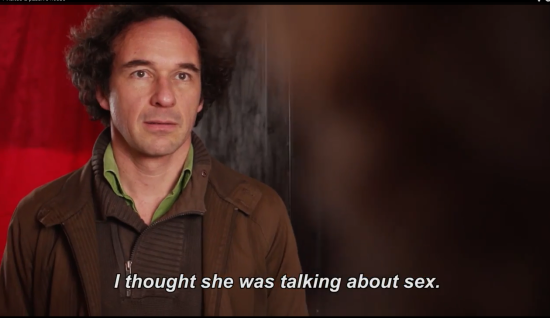
Ahh, the classic double entendre.  With the ice broken by high performance windows  the gentleman above is given a tour of the bawdy-PH by a very passionate and knowledgeable guide.


The Belgians have proved that making a huge, significant change doesn’t have to hurt as builders, voters and politicians are all eagerly adapting to the new way.

Green Renovations Workshop


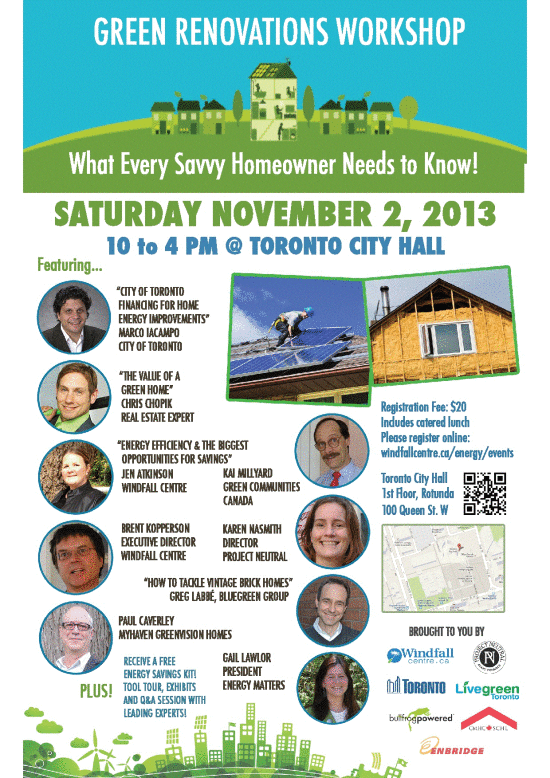
BlueGreen Group has been tasked with presenting strategies on retrofitting solid masonry houses for the upcoming Green Renovator Workshop held at Toronto City Hall. Cost is $20.

Click on the link below to learn more and register:

Green Renovation Workshop Nov 2 Poster v4

Larry Janesky on Efficiency’s Pay Back


This video is a must see for anyone who wants to better understand the financial rewards of energy efficiency. Bottom line, it pays to renovate for efficiency.

Click on the photo below to see the video:


Ideas Worth Sharing - Larry Janesky

In this screen capture, Larry Janesky elegantly explains the concept of pay back on efficiency and where the carbon comes from.

AT BGG, we urge people to go one step further though and do a Deep Energy Retrofit, not just pick, the low hanging fruit. By picking the low hanging fruit, you may paint yourself into a corner financially.

Harold Orr the Grandfather of Passive House

I wanted to blog about Harold Orr and his amazing contributions to super efficiency in homes. I met and heard him talk at Affordable Comfort back in 2008ish when he came out with his video of the chainsaw retrofit and I recently heard he was given a life-time achievement award by Sustainable Buildings Canada. Well chosen SBC and glad to see Mario Kani also received a life-time achievement award.

Then I stumbled on an Ottawa Citizen Article and topping all that off I got sucked into Micheal Henry’s web site – The Sustainable Home – and there’s no way I can say it better then him.

With two great videos of Harold himself doing work at age 70-something, click on Micheal’s link!

Engineer pioneered energy-efficient building before it was popular

Someone please give this guy the Order of Canada for doing more than any politician to date about ensuring future generations of Canadians might enjoy the comfort and natural beauty we currently do. 

It goes without saying that Greg Allen and Rob Dumont also stand out as towering figures.

Thank you Harold, to paraphrase Newton, if we have seen father, it was because we were standing on your shoulders.